
Overview
What is it?
Eye Checkup is a complete assessment of vision and eye health by an optometrist or ophthalmologist. It may include reading-chart testing, glass-power assessment, eye pressure measurement, front-of-eye examination, and dilated retina check depending on age, symptoms, diabetes, family history, or previous eye disease.
Symptoms
- Blurred vision, headache, eye strain, watering, redness, pain, floaters, glare, difficulty reading, or trouble seeing at night.
- Diabetes, high blood pressure, family history of glaucoma, or long-term steroid use increases the need for regular checks.
- Children may need evaluation for squint, lazy eye, frequent rubbing, poor school vision, or sitting too close to screens.
Prevention
- Get periodic eye exams even when vision feels normal, especially after age 40 or if you have diabetes.
- Use correct spectacles or contact lenses and avoid overusing old prescriptions.
- Protect eyes from injury, manage blood sugar and blood pressure, and seek early care for pain or sudden vision change.
Non-surgical Options
- Spectacle or contact lens prescription, lubricating drops, medicines, lifestyle guidance, screen-use changes, or referral for condition-specific care.
- Diagnostic tests such as OCT, visual fields, corneal scan, or retina imaging may be advised when required.
Surgical Options
- An eye checkup itself is not surgery, but it may identify cataract, glaucoma, retinal disease, corneal disease, or eyelid problems that need procedures.
- The doctor explains benefits, risks, alternatives, and follow-up before any procedure.
Diagnosis and Treatment Planning
An eye specialist reviews symptoms, vision changes, medical history, current medicines, eye pressure, refraction, and detailed eye examination findings before advising Eye Checkup. Tests such as slit-lamp examination, dilated retina check, OCT, fundus photography, corneal scan, visual field testing, or blood sugar review may be advised when relevant.
Recovery and Follow-up
Recovery depends on the diagnosis and procedure. Many eye treatments are outpatient, but surgery or laser treatment may need eye drops, protective glasses, activity limits, and scheduled reviews. Follow-up is important because some eye diseases can progress silently even after symptoms improve.
When to See an Eye Doctor
Book an eye consultation for blurred vision, eye pain, redness, discharge, sudden floaters, flashes of light, double vision, light sensitivity, injury, diabetes-related vision changes, or persistent dryness. Sudden vision loss, severe eye pain, chemical injury, or a curtain-like shadow in vision needs urgent care.
Care options
Doctors for "Eye Checkup" in Thane

Dr. Anuradha Ayyar
Ophthalmologist Thane

Dr. Neeta Maske
Ophthalmologist Thane
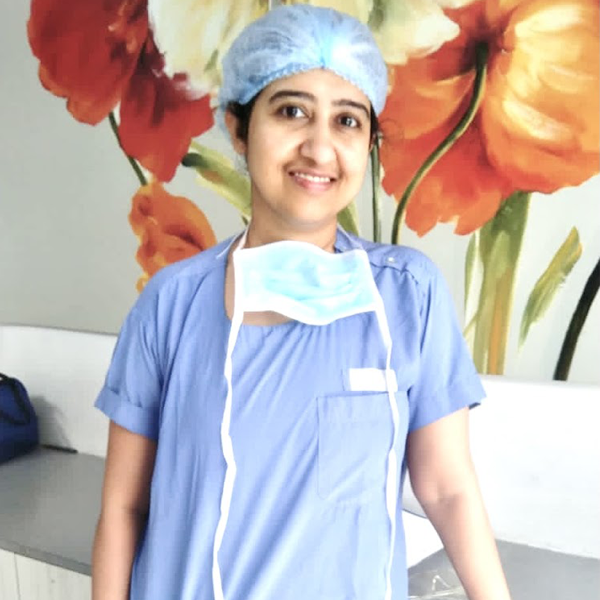
Dr. Pallavi Sarate
Ophthalmologist Thane
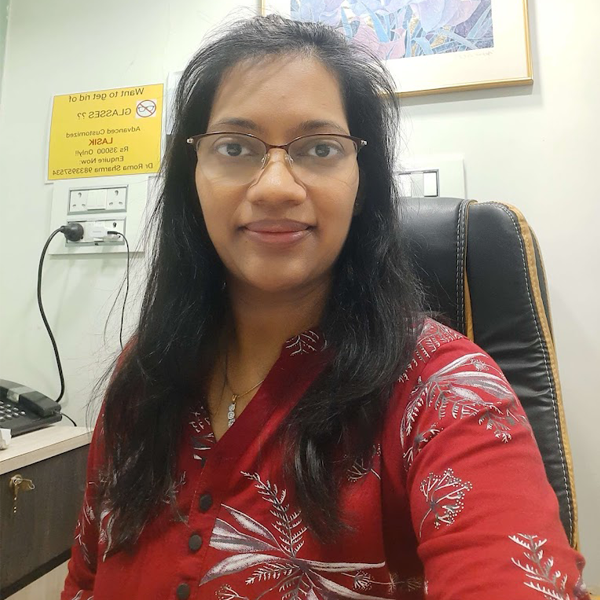
Dr. Roma Sharma
Ophthalmologist Thane
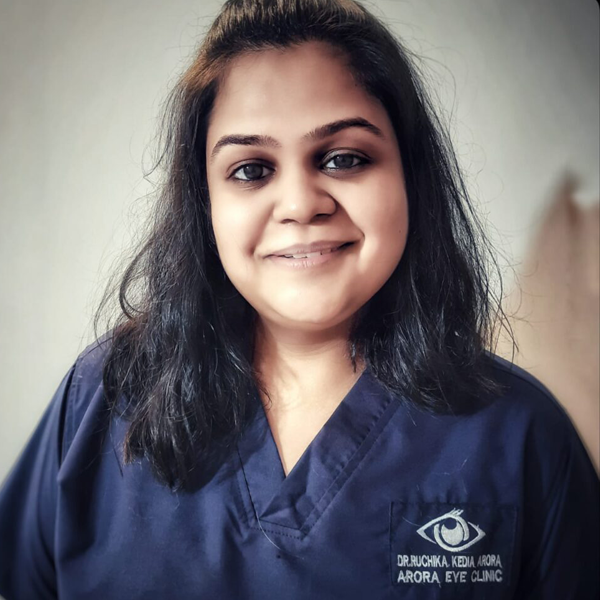
Dr. Ruchika Kedia Arora
Ophthalmologist Thane
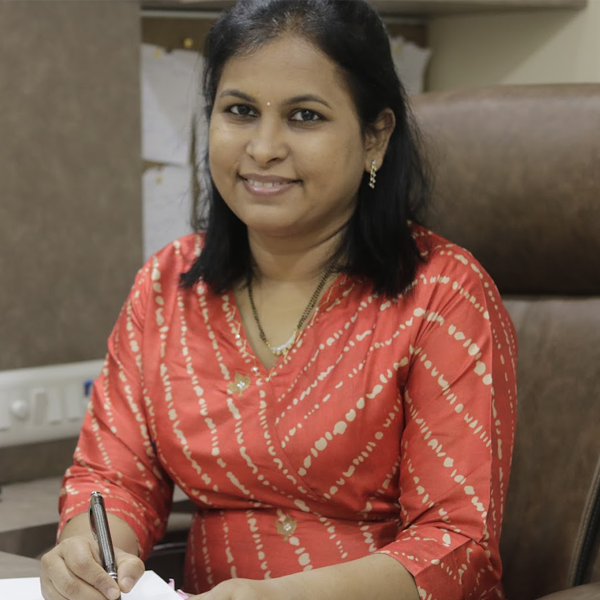
Dr. Vidya S. Bawkar
Ophthalmologist Thane
 Call Us
 WhatsApp