
What is it?
What is a Hydrocele?
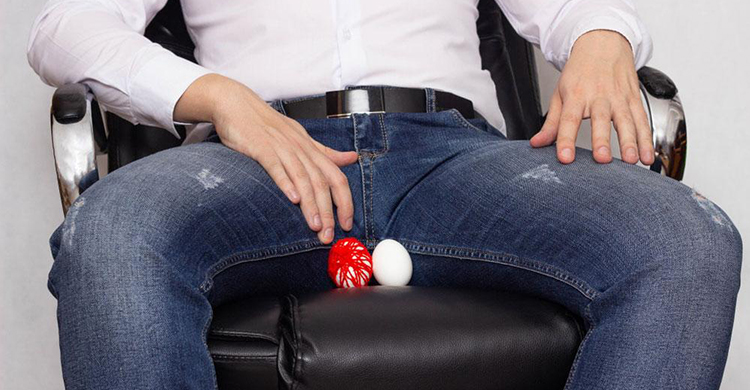
A male's scrotum swells as fluid fills it, resulting in a hydrocele. Hydrocele is frequent in babies and often goes away untreated by age 1. A hydrocele can form in older boys or adult males due to scrotal inflammation or damage. The testicles are often not in danger from hydroceles. They often cause little discomfort and go away on their own.
How is it caused?
Injury or trauma to the scrotum
Infection or inflammation of the testicle or epididymis
Blockage in the lymphatic system, which can cause fluid to accumulate
Congenital defects or abnormalities present at birth
Congenital defects or abnormalities present at birth
Tumors or growths in the testicles or surrounding tissues.
Infants:
Each testicle has a fluid-filled sac that surrounds it naturally throughout development in an infant. Normally, throughout the first year of a baby's life, this sac seals, and the body consumes the fluid within. Babies with hydroceles, however, do not experience this. Prematurely born infants are at more risk of developing hydrocele.
Adults:
An injury or irritation to the scrotum can cause a hydrocele to form. An infection in the testicle or the tiny, coiled tube at the rear of each testicle may result in inflammation.
What are the symptoms?
In most males, hydrocele is painless. A swollen scrotum is the typical symptom of hydrocele. If the condition is severe, you might also feel swelling, discomfort, or pain in the scrotum.
How to prevent it?
Unfortunately, you are powerless to stop your child from developing a hydrocele. The greatest defense against a hydrocele for male teens and adults is to avoid harming their testicles and scrotum. Use an athletic cup, for instance, if you're participating in a contact sport.
What are the non-surgical treatments for hydrocele?
If the hydrocele is small and painless, the doctors suggest waiting for it to go away on its own. But if the bulge is big and very painful, the doctors usually suggest surgery.
What are the surgical treatments for hydrocele?
Surgery to remove a hydrocele is usually performed under anesthetic conditions. The hydrocele is surgically removed after a tiny incision is made in the scrotum or abdomen. Most likely, your surgeon will cover the area of your incision with a thick dressing. You could also require a drainage tube for a few days, depending on the size and location of the wound.
 Call Us
 WhatsApp