
Overview
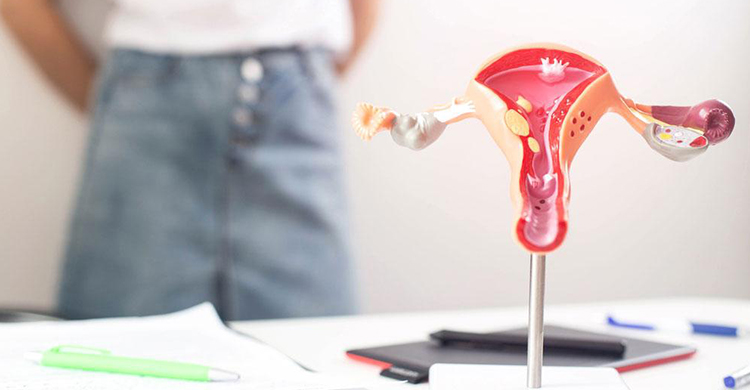
What is PCOD/PCOS? In PCOD (polycystic ovarian disease) or PCOS, a woman's ovaries produce a lot of immature or partially formed eggs, which over time turn into cysts in the ovaries. Because of this, the ovaries enlarge and release more androgens, which leads to infertility, irregular menstrual cycles, hair loss, and unusual weight gain. A change in food and lifestyle can help with PCOD. What are the symptoms? Following are a few of the typical PCOD symptoms: An increase in testosterone levels:
What is it?
<div class="container">
<div class="row">
<div class="col-lg-7 col-md-7 pt-4 pb-4">
<div>
<img src="assets/images/pcod-pcos.jpg" alt="pcod-pcos" class="servic-img">
</div>
<div class="dental-sec">
<h4>What is PCOD/PCOS?</h4>
<p class="bullet">In PCOD (polycystic ovarian disease) or PCOS, a woman's ovaries produce a lot of immature or partially formed eggs, which over time turn into cysts in the ovaries. Because of this, the ovaries enlarge and release more androgens, which leads to infertility, irregular menstrual cycles, hair loss, and unusual weight gain. A change in food and lifestyle can help with PCOD.</p>
<h4>What are the symptoms?</h4>
<p>Following are a few of the typical PCOD symptoms:</p>
<p class="bullet"><i class="fas fa-angle-double-right"></i>An increase in testosterone levels: This results in excessive hair growth on the chest, abdomen, and face.</p>
<p class="bullet"><i class="fas fa-angle-double-right"></i>Menstrual irregularity or absence: Due to an abnormality in egg maturation, you may suffer irregular periods or a delayed menstrual cycle.</p>
<p class="bullet"><i class="fas fa-angle-double-right"></i>Infertility brought on by erratic, delayed, or unsuccessful ovulation</p>
<p class="bullet"><i class="fas fa-angle-double-right"></i>Hair loss or thinning: The body's increased production of male hormones is another factor in this symptom.</p>
<p class="bullet"><i class="fas fa-angle-double-right"></i>Skin rashes</p>
<p class="bullet"><i class="fas fa-angle-double-right"></i>Obesity</p>
<p class="bullet"><i class="fas fa-angle-double-right"></i>Abnormally heavy menstrual bleeding</p>
<h4>What are the causes?</h4>
<p>Some of the leading causes and contributing variables of PCOD are:</p>
<p class="bullet"><i class="fas fa-angle-double-right"></i><strong>Over production of insulin:</strong> The body can produce more androgen, a male hormone that females have very little of, which can make ovulation challenging and result in PCOD.</p>
<p class="bullet"><i class="fas fa-angle-double-right"></i><strong>Androgen overproduction:</strong> Excessively high levels of androgen hormones generated by the ovaries are the root cause of hirsutism and acne.</p>
<p class="bullet"><i class="fas fa-angle-double-right"></i><strong>Low-grade inflammation:</strong> Women with PCOS experience low-grade inflammation, which increases androgen production and may result in cardiac or blood vessel issues.</p>
<p class="bullet"><i class="fas fa-angle-double-right"></i><strong>Family history:</strong> Female relatives who have PCOD share a genetic link with women with PCOS.</p>
<h4>What are the treatment options?</h4>
<p class="bullet"><i class="fas fa-angle-double-right"></i><strong>Birth control pill:</strong> These pills include progestin and estrogen, which prevent the production of male sex hormones and regulate hormones that cause acne, excessive hair growth, and the release of eggs from follicles.</p>
<p class="bullet"><i class="fas fa-angle-double-right"></i><strong>Treatment with progestin:</strong> is a form of hormone replacement therapy. To help you manage and regulate your menstrual cycle, your doctor might advise that you take progestin for ten to fourteen days, once every two months or so.</p>
<p class="bullet"><i class="fas fa-angle-double-right"></i><strong>Therapy for developing follicles:</strong> Your doctor can also advise Immature Follicle Aspiration PCOS Therapy to enhance your endocrinology and decrease the amount of follicles in your ovary to facilitate conception.</p>
</div>
</div>
<div class="col-lg-5 col-md-5">
<!--start consultation button design-->
<div class="d-flex justify-content-center">
<a class="call-consultation-btn text-center" href="tel:+919004078509"><i class="fa fa-phone" aria-hidden="true"></i>Call For Consultation</a>
</div>
</div>
</div>
</div>
</div>
</section>
Symptoms
<p>Following are a few of the typical PCOD symptoms:</p>
<p class="bullet"><i class="fas fa-angle-double-right"></i>An increase in testosterone levels: This results in excessive hair growth on the chest, abdomen, and face.</p>
<p class="bullet"><i class="fas fa-angle-double-right"></i>Menstrual irregularity or absence: Due to an abnormality in egg maturation, you may suffer irregular periods or a delayed menstrual cycle.</p>
<p class="bullet"><i class="fas fa-angle-double-right"></i>Infertility brought on by erratic, delayed, or unsuccessful ovulation</p>
<p class="bullet"><i class="fas fa-angle-double-right"></i>Hair loss or thinning: The body's increased production of male hormones is another factor in this symptom.</p>
<p class="bullet"><i class="fas fa-angle-double-right"></i>Skin rashes</p>
<p class="bullet"><i class="fas fa-angle-double-right"></i>Obesity</p>
<p class="bullet"><i class="fas fa-angle-double-right"></i>Abnormally heavy menstrual bleeding</p>
Surgical Options
<p class="bullet"><i class="fas fa-angle-double-right"></i><strong>Birth control pill:</strong> These pills include progestin and estrogen, which prevent the production of male sex hormones and regulate hormones that cause acne, excessive hair growth, and the release of eggs from follicles.</p>
<p class="bullet"><i class="fas fa-angle-double-right"></i><strong>Treatment with progestin:</strong> is a form of hormone replacement therapy. To help you manage and regulate your menstrual cycle, your doctor might advise that you take progestin for ten to fourteen days, once every two months or so.</p>
<p class="bullet"><i class="fas fa-angle-double-right"></i><strong>Therapy for developing follicles:</strong> Your doctor can also advise Immature Follicle Aspiration PCOS Therapy to enhance your endocrinology and decrease the amount of follicles in your ovary to facilitate conception.</p>
</div>
</div>
<div class="col-lg-5 col-md-5">
<!--start consultation button design-->
<div class="d-flex justify-content-center">
<a class="call-consultation-btn text-center" href="tel:+919004078509"><i class="fa fa-phone" aria-hidden="true"></i>Call For Consultation</a>
</div>
</div>
</div>
</div>
</div>
</section>
What is PCOD/PCOS?
In PCOD (polycystic ovarian disease) or PCOS, a woman's ovaries produce a lot of immature or partially formed eggs, which over time turn into cysts in the ovaries. Because of this, the ovaries enlarge and release more androgens, which leads to infertility, irregular menstrual cycles, hair loss, and unusual weight gain. A change in food and lifestyle can help with PCOD.
What are the symptoms?
Following are a few of the typical PCOD symptoms:
An increase in testosterone levels: This results in excessive hair growth on the chest, abdomen, and face.
Menstrual irregularity or absence: Due to an abnormality in egg maturation, you may suffer irregular periods or a delayed menstrual cycle.
Infertility brought on by erratic, delayed, or unsuccessful ovulation
Hair loss or thinning: The body's increased production of male hormones is another factor in this symptom.
Skin rashes
Obesity
Abnormally heavy menstrual bleeding
What are the causes?
Some of the leading causes and contributing variables of PCOD are:
Over production of insulin: The body can produce more androgen, a male hormone that females have very little of, which can make ovulation challenging and result in PCOD.
Androgen overproduction: Excessively high levels of androgen hormones generated by the ovaries are the root cause of hirsutism and acne.
Low-grade inflammation: Women with PCOS experience low-grade inflammation, which increases androgen production and may result in cardiac or blood vessel issues.
Family history: Female relatives who have PCOD share a genetic link with women with PCOS.
What are the treatment options?
Birth control pill: These pills include progestin and estrogen, which prevent the production of male sex hormones and regulate hormones that cause acne, excessive hair growth, and the release of eggs from follicles.
Treatment with progestin: is a form of hormone replacement therapy. To help you manage and regulate your menstrual cycle, your doctor might advise that you take progestin for ten to fourteen days, once every two months or so.
Therapy for developing follicles: Your doctor can also advise Immature Follicle Aspiration PCOS Therapy to enhance your endocrinology and decrease the amount of follicles in your ovary to facilitate conception.

WhatsApp