Overview
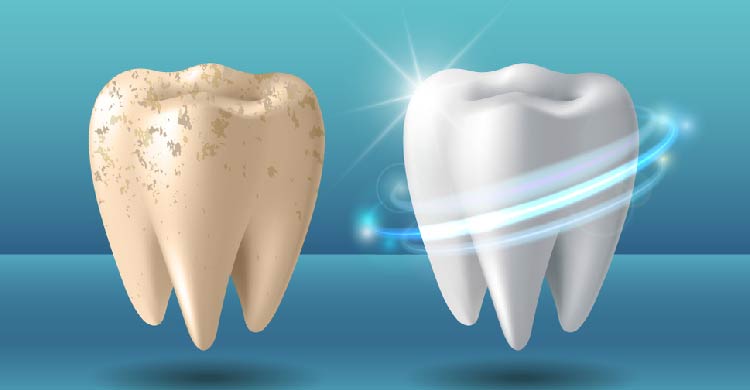
Teeth whitening is a cosmetic dental procedure that involves the use of bleaching agents to lighten the color of the teeth. There are several different methods of teeth whitening, including at-home treatments, in-office treatments, and over-the-counter products. At-home treatments involve the use of whitening kits that can be purchased online or at a pharmacy. These kits usually contain a whitening gel or strip that is applied to the teeth, and a tray or mouthguard that is worn to hold the gel o
What is it?
<div class="container">
<div class="row">
<div class="col-lg-7 col-md-7 pt-4 pb-4">
<div>
<img src="assets/images/img3.jpg" alt="service-details-img" class="servic-img">
</div>
<div class="dental-sec">
<p>Teeth whitening is a cosmetic dental procedure that involves the use of bleaching agents to lighten the color of the teeth. There are several different methods of teeth whitening, including at-home treatments, in-office treatments, and over-the-counter products.</p>
<p>At-home treatments involve the use of whitening kits that can be purchased online or at a pharmacy. These kits usually contain a whitening gel or strip that is applied to the teeth, and a tray or mouthguard that is worn to hold the gel or strip in place. The tray or mouthguard is typically worn for a specified amount of time each day, and the treatment is typically continued for a week or more.</p>
<p>In-office treatments involve the use of a professional bleaching agent that is applied to the teeth by a dentist or dental hygienist. The bleaching agent is typically a stronger concentration than what is found in at-home kits, and the treatment is often completed in a single visit.</p>
<p>Over-the-counter products include toothpaste, mouthwash, and chewing gum that contain a whitening agent. These products are generally less effective than professional treatments, but they may be a good option for those who want to maintain their whitened teeth or for those who only need a subtle improvement in the color of their teeth.</p>
<h4> Types Of Teeth Whitening</h4>
<p>There are several different types of teeth whitening, including:</p>
<p class="bullet"><i class='fas fa-angle-double-right'></i><span>At-home Kits:</span> These kits contain a whitening gel or strip that is applied to the teeth and a tray or mouthguard that is worn to hold the gel or strip in place. The tray or mouthguard is typically worn for a specified amount of time each day, and the treatment is typically continued for a week or more.</p>
<p class="bullet"><i class='fas fa-angle-double-right'></i><span>In-office Treatments:</span> In-office treatments involve the use of a professional bleaching agent that is applied to the teeth by a dentist or dental hygienist. The bleaching agent is typically a stronger concentration than what is found in at-home kits, and the treatment is often completed in a single visit.</p>
<p class="bullet"><i class='fas fa-angle-double-right'></i><span>Over-the-counter Products:</span> Over-the-counter products include toothpaste, mouthwash, and chewing gum that contain a whitening agent. These products are generally less effective than professional treatments, but they may be a good option for those who want to maintain their whitened teeth or for those who only need a subtle improvement in the color of their teeth.</p>
<p class="bullet"><i class='fas fa-angle-double-right'></i><span>Laser Teeth Whitening:</span> Laser teeth whitening is a type of in-office treatment that uses a laser to accelerate the whitening process. The laser light activates the bleaching agent, which helps to break down the stains on the teeth. Laser teeth whitening is typically faster and more effective than other types of teeth whitening, but it is also more expensive.</p>
<p class="bullet"><i class='fas fa-angle-double-right'></i><span> Power Whitening:</span> Power whitening, also known as "power bleaching," is a type of in-office treatment that uses a combination of heat, light, and a bleaching agent to whiten the teeth. Power whitening is generally faster and more effective than other types of teeth whitening, but it is also more expensive.</p>
<h4> Benefits Of Teeth Whitening</h4>
<p>There are several potential benefits to teeth whitening, including:</p>
<p class="bullet"><i class='fas fa-angle-double-right'></i><span>Improved Appearance:</span> One of the most obvious benefits of teeth whitening is that it can help improve the appearance of your teeth. A brighter, whiter smile can boost your confidence and make you feel more comfortable when interacting with others.</p>
<p class="bullet"><i class='fas fa-angle-double-right'></i><span>Enhanced Self-esteem:</span> Along with improved appearance, teeth whitening can also enhance your self-esteem. If you have been self-conscious about the color of your teeth, whitening can help you feel more confident about your smile.
</p>
<p class="bullet"><i class='fas fa-angle-double-right'></i><span>Improved Oral Health:</span> While teeth whitening is primarily a cosmetic procedure, it can also have some oral health benefits. By removing surface stains from your teeth, whitening can help you maintain better oral hygiene and prevent the buildup of plaque and tartar.</p>
<p class="bullet"><i class='fas fa-angle-double-right'></i><span>Non-Invasive:</span> Compared to other cosmetic dental procedures, teeth whitening is relatively non-invasive and has minimal side effects. In most cases, the procedure can be completed in a single office visit or over the course of a few weeks at home.
</p>
<p class="bullet"><i class='fas fa-angle-double-right'></i><span>Affordable:</span> Teeth whitening is generally more affordable than other cosmetic dental procedures, making it a good option for those who want to improve the appearance of their smile without breaking the bank.</p>
<!-- <h4>Can a root canal be done twice? </h4>-->
<!-- <p>It is possible for a root canal to be performed more than once on a tooth. This is known as a retreatment or re-root canal. There are a few reasons why a tooth may need to be retreated, including if the original root canal procedure was not successful in eliminating the infection or if the infection has returned after the initial procedure.</p>-->
<!-- <p>In some cases, a tooth that has undergone a root canal procedure may develop new infection or damage to the root canal fillings or crown. In these situations, it may be necessary to perform retreatment to remove the infected or damaged tissue and clean and seal the inside of the tooth again.</p>-->
<!-- <p>If a retreatment is necessary, the dentist or endodontist will follow a similar process to the original root canal procedure. They will make an opening in the top of the tooth, remove the infected or damaged tissue, clean and seal the inside of the tooth, and then restore the tooth with a crown or filling to strengthen and protect it.</p>-->
<!-- <h4>Root Canal Cost In Mumbai </h4>-->
<!-- <p>The cost of a root canal in Mumbai can vary depending on a number of factors, including the location of the tooth, the complexity of the procedure, and the type of material used to fill the root canal. In general, the cost of a root canal in Mumbai can range from around INR 2,000 to INR 15,000, although it can be higher or lower depending on the specific circumstances. It is important to discuss the cost of a root canal with your dentist before the procedure is performed so that you have a clear understanding of the expenses involved. In some cases, dental insurance may cover part or all of the cost of a root canal.</p>-->
<!-- </div>-->
</div>
</div>
<div class="col-lg-5 col-md-5">
</div>
</div>
</div>
</section>
Types Of Teeth Whitening
There are several different types of teeth whitening, including:
At-home Kits: These kits contain a whitening gel or strip that is applied to the teeth and a tray or mouthguard that is worn to hold the gel or strip in place. The tray or mouthguard is typically worn for a specified amount of time each day, and the treatment is typically continued for a week or more.
In-office Treatments: In-office treatments involve the use of a professional bleaching agent that is applied to the teeth by a dentist or dental hygienist. The bleaching agent is typically a stronger concentration than what is found in at-home kits, and the treatment is often completed in a single visit.
Over-the-counter Products: Over-the-counter products include toothpaste, mouthwash, and chewing gum that contain a whitening agent. These products are generally less effective than professional treatments, but they may be a good option for those who want to maintain their whitened teeth or for those who only need a subtle improvement in the color of their teeth.
Laser Teeth Whitening: Laser teeth whitening is a type of in-office treatment that uses a laser to accelerate the whitening process. The laser light activates the bleaching agent, which helps to break down the stains on the teeth. Laser teeth whitening is typically faster and more effective than other types of teeth whitening, but it is also more expensive.
Power Whitening: Power whitening, also known as "power bleaching," is a type of in-office treatment that uses a combination of heat, light, and a bleaching agent to whiten the teeth. Power whitening is generally faster and more effective than other types of teeth whitening, but it is also more expensive.
Benefits Of Teeth Whitening
There are several potential benefits to teeth whitening, including:
Improved Appearance: One of the most obvious benefits of teeth whitening is that it can help improve the appearance of your teeth. A brighter, whiter smile can boost your confidence and make you feel more comfortable when interacting with others.
Enhanced Self-esteem: Along with improved appearance, teeth whitening can also enhance your self-esteem. If you have been self-conscious about the color of your teeth, whitening can help you feel more confident about your smile.
Improved Oral Health: While teeth whitening is primarily a cosmetic procedure, it can also have some oral health benefits. By removing surface stains from your teeth, whitening can help you maintain better oral hygiene and prevent the buildup of plaque and tartar.
Non-Invasive: Compared to other cosmetic dental procedures, teeth whitening is relatively non-invasive and has minimal side effects. In most cases, the procedure can be completed in a single office visit or over the course of a few weeks at home.
Affordable: Teeth whitening is generally more affordable than other cosmetic dental procedures, making it a good option for those who want to improve the appearance of their smile without breaking the bank.
WhatsApp