
Overview
Patients considering Soft Tissue Reconstruction in India may have cosmetic, functional, reconstructive, or combined goals that need an individual assessment. Soft Tissue Reconstruction belongs to the Reconstructive Surgery area of plastic surgery. Reconstructive surgery aims to restore coverage, form or function affected by cancer, trauma, infection, pressure injury, congenital difference or a complex wound. The exact technique, setting, anaesthesia plan, number of stages, and likely recovery vary with the diagnosis, anatomy, previous treatment, general health, and agreed goals. A surgeon must examine the relevant area and review medical history before recommending an operation. This city guide explains how to prepare for a consultation, what safety questions to ask, and how DoctorNearMe can help patients request an appointment. It is general educational information, not a diagnosis or a promise that surgery is suitable. What Soft Tissue Reconstruction may involve The name Soft Tissue Reconstruction can describe more than one operative approach. Planning evaluates the defect, blood supply, exposed structures, infection, available donor tissue, functional priorities and whether treatment should be immediate or staged. During an assessment, the surgeon may consider skin and soft-tissue quality, symmetry, scars, function, previous procedures, current medicines, allergies, smoking or nicotine use, diabetes and other conditions that can affect healing. Photographs, measurements or imaging may be used when clinically appropriate. Patients should explain which change matters most to them and whether the priority is appearance, comfort, movement, wound closure, restoration after illness or injury, or a combination of these goals. The surgeon should describe reasonable alternatives, including observation, non-surgical care, staged treatment, or referral to another specialty. An operation should only be planned after the expected benefit, limitations and trade-offs are understood. Results vary between people, and perfect symmetry or a specific visual result cannot be guaranteed. Planning a consultation in India For a consultation in India, bring previous operation notes, relevant scans, pathology reports, prescriptions and photographs showing how a condition has changed. Ask who will perform the procedure, where it will take place, what credentials and experience are relevant to Soft Tissue Reconstruction, and whether another specialist should be involved. Important questions include the proposed technique, incision or donor-site considerations, anaesthesia, expected admission, dressings, activity restrictions, review schedule and signs that need urgent attention. If implants, grafts, flaps or transferred tissue may be used, ask why that option is recommended and what alternatives exist. Discuss pregnancy plans, weight stability, work demands, caregiving duties and travel, because these can affect timing. A written estimate should distinguish the surgeon, hospital, anaesthesia, implant or device, investigation, medicine and follow-up components where applicable. Patients should be given time to consider elective surgery and should not feel pressured by a discount or limited-time offer. Safety, recovery and follow-up Every operation carries uncertainty. General risks can include pain, swelling, bruising, bleeding, infection, fluid collection, delayed healing, altered sensation, visible or widened scars, asymmetry, anaesthesia-related problems, blood clots and the possibility of further treatment. Procedure-specific risks may be different and must be explained by the treating surgeon. Monitoring tissue circulation, protecting grafts or flaps, pressure relief, nutrition, rehabilitation and longer follow-up may be central to recovery. Recovery instructions may cover wound care, garments or splints, medicines, bathing, sleep position, lifting, exercise, driving and return to work. Following these instructions and attending reviews allows the clinical team to identify problems early. Seek urgent medical advice for breathing difficulty, chest pain, sudden weakness, uncontrolled bleeding, rapidly increasing swelling, high fever, severe worsening pain, a pale or darkening flap or digit, or any symptom the treating team has identified as urgent. Long-term review may be important after implants, reconstruction, nerve repair, grafting or complex wounds. Patients travelling to India should plan safe accommodation, a responsible adult where required, and sufficient time nearby for the first follow-up rather than arranging immediate long-distance travel. Choosing a surgeon and hospital in India Look for a qualified plastic surgeon whose qualifications, registration and experience are relevant to Soft Tissue Reconstruction. Verify the doctor's current registration through the appropriate medical council and ask how often the surgeon manages comparable cases. The facility should be suitable for the planned anaesthesia and complexity, with trained staff, infection-control processes, emergency arrangements and access to higher-level care when needed. For reconstructive or multidisciplinary treatment, care may involve oncologists, orthopaedic surgeons, ENT or maxillofacial teams, neurosurgeons, anaesthetists, physiotherapists, occupational therapists, wound specialists or counsellors. Complex reconstruction is often multidisciplinary and may depend on control of infection, cancer clearance, stable bones, healthy blood vessels and coordinated rehabilitation. Before agreeing, ask to see the consent information, expected follow-up plan and contact route for concerns after discharge. Online profiles and reviews can help form a shortlist, but they cannot replace credential checks or an in-person clinical assessment. DoctorNearMe provides appointment-request support and listing information; it does not certify that a particular procedure is appropriate and does not replace the independent judgment of the treating medical team. Costs and appointment preparation The cost of Soft Tissue Reconstruction in India cannot be estimated responsibly from the procedure name alone. It may depend on diagnostic work, surgeon and anaesthesia fees, hospital category, operating time, implants or specialised materials, admission, medicines, dressings, therapy and the number of follow-up visits. Reconstructive treatment may have different insurance considerations from surgery performed only for appearance, so patients should request written confirmation from the hospital and insurer. Compare like-for-like estimates and ask what is excluded, how unexpected admission is handled and whether revision treatment has a separate charge. At the appointment, describe symptoms and expectations honestly, disclose supplements and nicotine use, and ask for instructions before stopping any prescribed medicine. A thoughtful plan balances the desired change with safety, function, scarring, recovery responsibilities and the possibility that postponing or avoiding surgery may be the better choice. How do I know whether Soft Tissue Reconstruction is suitable for me? Suitability depends on the concern being treated, examination findings, health, healing risks and realistic goals. A qualified plastic surgeon must assess these factors and discuss alternatives before advising whether surgery is reasonable. How long is recovery after Soft Tissue Reconstruction? There is no single recovery time. The technique, extent of surgery, anaesthesia, occupation and individual healing all matter. Ask the surgeon for milestones for wound review, routine activity, work, exercise and travel. Can DoctorNearMe guarantee a result or surgeon availability in India? No. DoctorNearMe can help with an appointment request and provide listing information. Availability, diagnosis, treatment advice, costs and outcomes must be confirmed directly with the doctor or hospital.
This treatment guide is being reviewed before publication. Please request an appointment so the team can connect you with an appropriate doctor.
Care options
Doctors for "Soft Tissue Reconstruction" in Mumbai
Dr. Milan Doshi
Plastic Surgeons in Mumbai
Dr. Parang Telang
Plastic Surgeons in Mumbai
Dr. Saumil Girish Shah
Plastic Surgeon, Cosmetic Surgeon
Dr. Saumil Shah is a consultant plastic, aesthetic and reconstructive surgeon in Mumbai. He completed his MBBS at KEM Hospital and post...
Dr. Siddharth Prakash
Plastic Surgeons in Mumbai
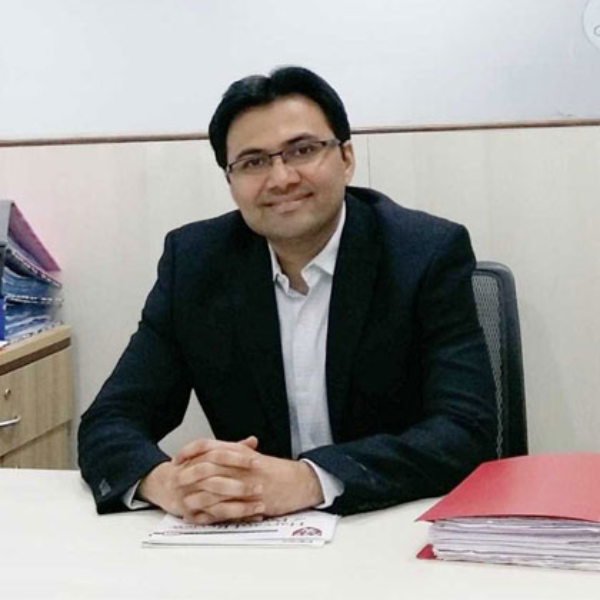
Dr. Tushar Thorat
Plastic Surgeons in Mumbai
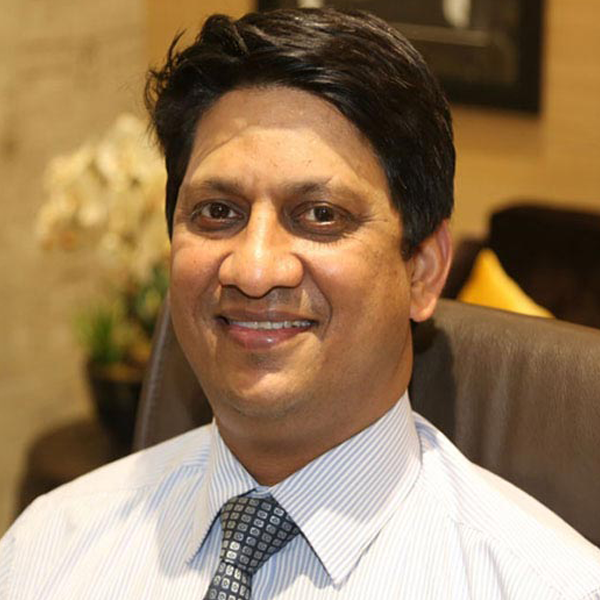
Dr. Vinay Jacob
Plastic Surgeon, Cosmetic Surgeon
Dr. Vinay Jacob is a plastic, cosmetic and reconstructive surgeon in Mumbai with a special interest in hand surgery and microsurgery. H...
 Call Us
 WhatsApp